When the Keys Have to Go: How Smart Corvette Collectors Plan for What Comes Next

There's a certain kind of collector who knows every VIN, every original paint code, every receipt from every restoration job going back twenty years. They can tell you exactly what they paid for their '67 roadster and exactly what it's worth today. Ask them what happens to the collection when they're gone, though, and you'll usually get a long pause followed by something like, "My kids will figure it out."
Spoiler: the kids rarely figure it out. Not in the way you'd hope.
Succession planning for Corvette collections is one of those topics that gets avoided the way people avoid making a will — it feels like tempting fate, or admitting something uncomfortable about time and mortality. But collectors who've been through this transition, either managing their own exit or inheriting the aftermath of someone else's lack of planning, will tell you the same thing: waiting too long is the most expensive mistake you can make. Financially and emotionally.
The Gap Between What You Think It's Worth and What Happens Without a Plan
Let's start with the hard numbers. A well-documented, properly stored Corvette collection can represent hundreds of thousands of dollars in assets — sometimes more. But that value doesn't automatically transfer cleanly to heirs. Without clear documentation and a defined exit strategy, collections frequently end up liquidated at estate sales or through general auction houses that aren't equipped to maximize value on specialty vehicles.
Michael Hartley, an estate attorney based in Scottsdale who has worked with several high-net-worth car collectors over the past decade, puts it plainly. "The collections that get dispersed well are the ones where the owner did the work ahead of time. They had appraisals. They had a list of preferred buyers or dealers. They had conversations with their family about what each car meant and what they wanted done with it. The ones that don't? I've seen six-figure cars go for a fraction of their value because nobody in the family knew what they had or who to call."
Proper appraisals from certified classic car specialists — not general vehicle appraisers — are the foundation. Values on collector Corvettes can shift meaningfully year to year depending on generation, condition, and market trends. An appraisal that's five years old might as well be fiction.
Talking to Your Family Before Someone Else Has To
Here's where it gets genuinely uncomfortable for a lot of collectors: the conversation with family members who may not share your passion. Not every kid who grew up watching dad disappear into the garage on weekends developed a love for fiberglass and V8s. Some did. Many didn't.
Diane Castellano, a collector in the San Fernando Valley who spent three years managing her late father's collection of eight Corvettes spanning the C1 through C4 generations, describes the experience as "equal parts beautiful and brutal." Her father had never discussed what he wanted done with the cars. "He assumed we knew, I think. But my brother wanted to sell everything immediately to cover estate costs, and I wanted to keep at least the '63 split-window because of what it meant to our family. We fought about it for months. It was awful."
The split-window sold. She still regrets it.
That kind of conflict is preventable. Having explicit, documented conversations — and ideally a written directive that's part of your estate plan — removes ambiguity and protects relationships. Be specific: which cars you want kept, which you want sold, who you trust to handle the sale, and what price floors you consider acceptable.
The Strategic Sale: Timing and Relationships Matter
For collectors who don't have family members positioned to take over stewardship, a planned, strategic sale is often the cleanest outcome. The key word is planned. Selling from a position of preparation is entirely different from selling under time pressure.
Building relationships with reputable Corvette-specific dealers and auction houses before you need them is worth doing now, not later. Specialists who know the marque — who understand why a numbers-matching L88 commands a different conversation than a clone — are going to serve you better than a general consignment lot. If you've been active in the Corvette community, lean on those connections. Word-of-mouth sales within the enthusiast network often result in better outcomes for both parties than public auction.
Timing matters, too. Corvette values, like all collector car markets, move with economic cycles, generational interest shifts, and broader cultural moments. A knowledgeable advisor can help you read the room. Selling a mid-year C2 into a hot market is a very different proposition than trying to move inventory during a downturn.
Donation: The Option Collectors Overlook
For collectors whose cars represent significant appreciated assets, donation to a qualifying museum or educational institution can offer meaningful tax advantages while ensuring the cars are preserved and displayed appropriately. Several automotive museums across the country actively seek significant Corvette donations, and the right placement can turn a car into a permanent legacy rather than a line item in an estate sale.
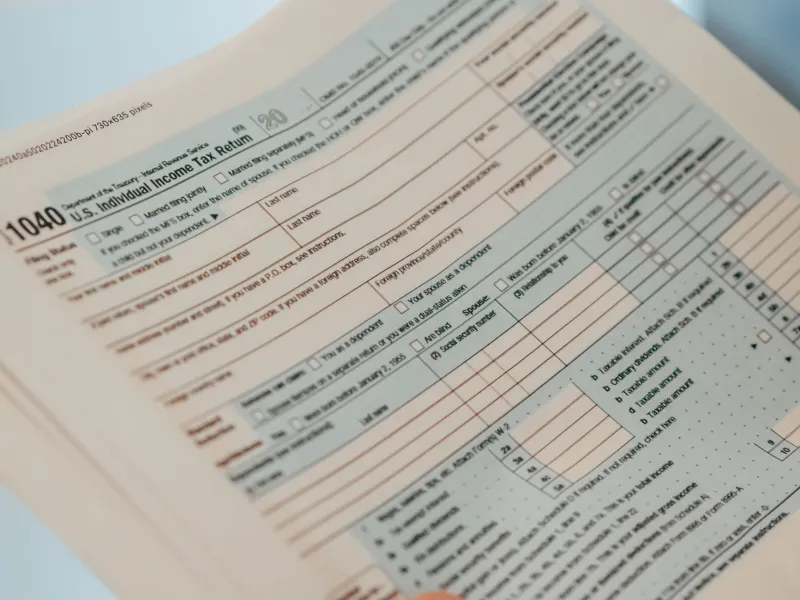
This path requires planning, too. Not every museum has the space or the curatorial focus to accept every car, and the IRS requirements around charitable vehicle donations — particularly for high-value collector cars — are specific. Work with both a tax advisor and an attorney who understands charitable giving before assuming this route is straightforward. Done correctly, though, it can be one of the most personally satisfying outcomes a collector can arrange.
Building Your Exit Document
Whatever path you're leaning toward, the practical starting point is the same: build a document. Think of it as a collection bible — one that lives somewhere your executor and family can find it.
It should include:
- A complete inventory with VINs, build sheets, known history, and current appraisal values
- Storage and maintenance notes — what each car needs, what's been done recently, any quirks a new owner should know
- Your preferred disposition for each vehicle — keep, sell, donate, or specific bequeathal to a named individual
- Trusted contacts — dealers, appraisers, mechanics, and community members who can assist with a sale or transfer
- Emotional context — this one matters more than people expect. A short note about why a particular car matters can be the difference between a family member understanding its significance and treating it like any other asset
Update it regularly. A document that reflects your collection as it existed four years ago is better than nothing, but it's not good enough.
The Corvette Deserves Better Than an Afterthought
You've spent years — maybe decades — hunting, restoring, maintaining, and loving these cars. The time and money and emotional energy you've poured into your collection is real, and it deserves a thoughtful ending. Not a rushed estate sale. Not a family argument. Not a car that ends up with someone who doesn't know what they have.
The best thing you can do for your Corvettes is the same thing the best owners have always done: take care of them. Planning your exit is just the last act of that stewardship. Start the conversation now, while you still control how it goes.