Never Seen It in Person: How to Buy a Barn Find Corvette From Across the Country Without Getting Burned
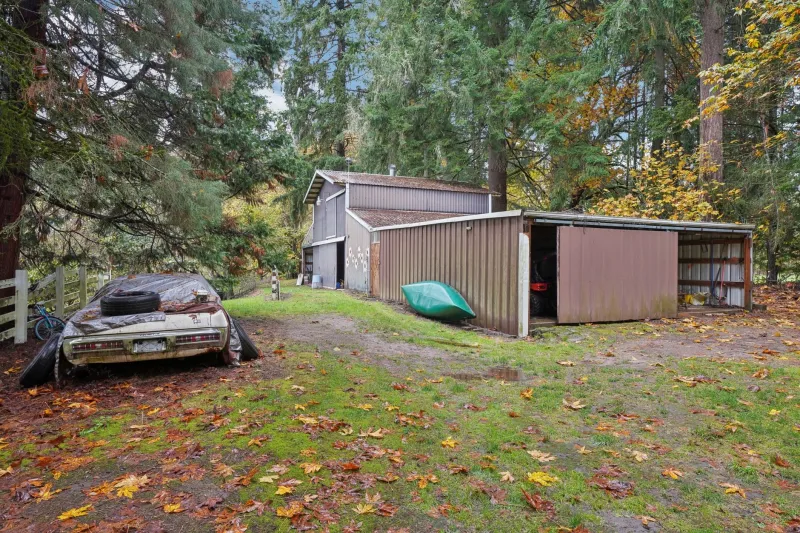
Somewhere in rural Nevada, there's a 1967 Corvette coupe sitting under a tarp in a cinderblock garage. The owner found it on Craigslist in 2003, meant to restore it, and never got around to it. Now he's ready to sell. The photos look promising. The price is almost too good. And you're in Southern California, five hours away on a good day.
Do you pull the trigger?
This is the collector's dilemma in its purest form—and it plays out constantly across the Western United States, where geography is both a blessing and a trap. The wide-open spaces that have preserved so many Corvettes from the rust and salt of the Midwest and Northeast also mean that the best barn finds are often sitting in places that aren't exactly a quick drive down the road. Phoenix to Bozeman. San Diego to Elko. Tucson to Bakersfield. These aren't day trips.
We talked to dealers, collectors, and veteran Corvette hunters across the West to put together a framework that's actually useful—one built on hard-won experience, not wishful thinking.
Why the West Produces So Many Remote Deals
There's a reason Western Corvette finds tend to pop up in unexpected places. Dry climates preserve fiberglass and metal alike. Ranching and farming communities bought sports cars in the '60s and '70s and then simply kept them when life moved on. Those cars sat in outbuildings and storage units for decades, away from the humidity and road salt that destroyed their Eastern counterparts.
But that same isolation creates real friction for buyers. A car in a small town outside Flagstaff or on a ranch outside Reno isn't going to have a professional inspection shop nearby. The seller may not be tech-savvy enough to shoot a proper video walk-around. And flying out to look at every promising lead isn't financially realistic for most collectors.
So people buy sight unseen. And sometimes it works out beautifully. And sometimes it absolutely doesn't.
Case Study: The Deal That Went Wrong
A collector from the San Fernando Valley—we'll call him Marcus—found a 1970 LT-1 Corvette listed on a regional classifieds site in late 2022. The seller was in central Oregon. The photos showed a car with original paint that had faded to a chalky silver, a numbers-matching drivetrain, and what looked like solid bodywork. The asking price was $38,000.
Marcus did some due diligence. He ran the VIN. He asked for more photos. He got them. He wired the money.
When the car arrived on a flatbed two weeks later, the reality hit fast. The frame had significant rust that had been carefully kept out of every photo angle. The "numbers-matching" engine had a replacement block that the seller either didn't know about or chose not to disclose. The floors, which looked solid in photos, had been covered with bed liner that was hiding significant rot underneath.
The car wasn't worthless—Marcus eventually sold it for $22,000 after a partial restoration—but he lost a significant chunk of capital and months of frustration.
"The photos weren't technically lies," he said. "But they were curated to show me exactly what I wanted to see."
Case Study: The Deal That Went Right
Contrast that with a deal made by a dealer we spoke to out of Scottsdale. He found a 1963 split-window coupe listed by an estate in rural Idaho. The family had no idea what they had—they knew it was a Corvette, knew it was old, and priced it accordingly at a number that made the dealer's phone practically vibrate when he saw the listing.
He didn't fly out immediately. Instead, he spent three days on the phone with the family, walking them through a video call inspection he'd refined over years of remote buys. He had them open the doors, hood, and trunk on camera. He had them pull back the carpet. He had them photograph the VIN tag, the door sticker, the build sheet they found tucked under the seat. He then hired a classic car inspector out of Boise—found through a national inspection service—to do a physical visit before any money changed hands.
The car was legitimate. The deal closed. The coupe is now a centerpiece of a private collection in Arizona.
"The inspection cost me $400," the dealer said. "On a car worth six figures, that's the cheapest insurance you'll ever buy."
The Framework: Vetting a Remote Corvette Before You Commit
Here's what the experienced buyers we spoke to consistently recommend:
Step 1: VIN First, Everything Else Second Run the VIN through a Corvette-specific decoder before you spend another minute on the car. Verify the model year, engine code, and production details. Cross-reference it with the Corvette Black Book or NCRS documentation if the seller is claiming originality. If the VIN doesn't match the story, walk away.
Step 2: Request a Live Video Walk-Around Not a pre-recorded video—a live call. FaceTime, Zoom, whatever works. This matters because you can direct the camera. Ask them to show you the frame rails, the inner rockers, the floor pans, the firewall, the trunk floor, and the area around the battery tray. These are the spots that sellers—intentionally or not—tend to leave out of still photos.
Step 3: Hire a Third-Party Inspector This is non-negotiable for any car over $15,000. Services like Lemon Squad, AMCI, or a local NCRS chapter member can physically inspect the car and give you an unbiased written report. Yes, it costs money. Yes, it's worth it every single time.
Step 4: Ask About the Paper Trail Title history, old registration records, any service receipts, build sheets, Protect-O-Plate documentation for pre-1973 cars. A legitimate barn find will often have a paper trail that goes cold for years—that's fine. What you're looking for is consistency between what the seller claims and what the documents show.
Step 5: Understand What "Project" Actually Means Every seller has a different definition of "needs some work." Push hard for specifics. Does it run? When did it last run? What won't it do? What has been replaced? What's been repainted? Vague answers are a yellow flag. Evasive answers are a red one.
Step 6: Price in the Unknown Even after doing everything right, there will be surprises. Build that into your offer. If the car checks out on paper but you haven't physically touched it, price your bid accordingly. Leave yourself margin for the things you'll find once it's in your garage.
The Bottom Line on Buying Blind
Sight-unseen deals aren't inherently reckless. They're a legitimate part of how the Western Corvette market works, and some of the best acquisitions in recent memory have been made by buyers who never set foot near the car before the transport truck showed up.
But they require discipline. The excitement of a promising listing is exactly when you need to slow down, not speed up. Do the video call. Pay for the inspection. Ask the uncomfortable questions. Read the evasions.
The car that's genuinely what it claims to be will survive your scrutiny just fine. And the ones that don't? You'll be glad you found out before the wire transfer cleared.