Desert Diamonds: The Thrill of Unearthing Forgotten Corvettes Across the American West
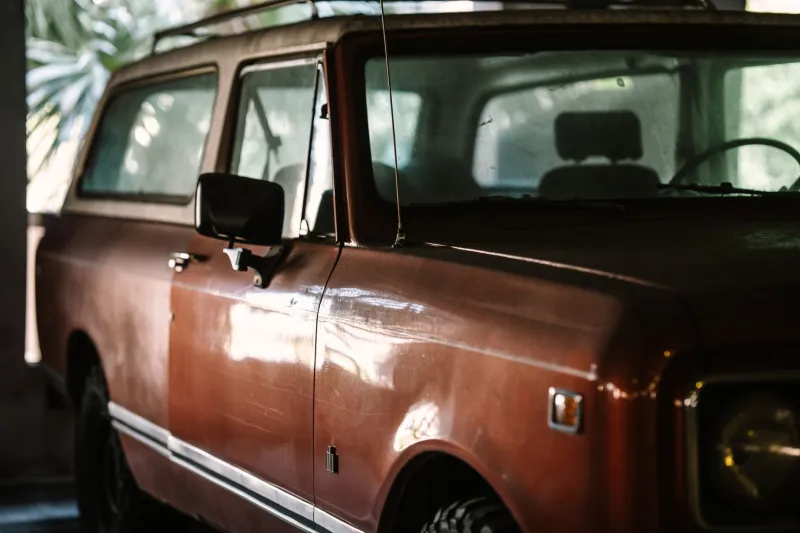
There's a particular kind of magic that happens when you pull open a creaking barn door and catch a glimpse of chrome through the dust. Maybe it's a tail fin poking out from behind a stack of old feed sacks, or a set of rally wheels half-buried under decades of neglect. For Corvette hunters across the Western United States, that moment never gets old.
The American West—stretching from the high desert of Arizona and New Mexico up through the ranch lands of Wyoming and Montana—has long been one of the richest territories in the country for barn find Corvettes. Dry climates mean less rust. Wide-open spaces mean more storage. And a deep-rooted car culture means these machines have been quietly accumulating in private hands for generations.
At Corvettes West Co., we've heard hundreds of these stories. And the best ones almost always start the same way: someone followed a lead, knocked on a door, and ended up shaking hands on the deal of a lifetime.
Why the West Is a Barn Find Goldmine
It comes down to climate and culture. States like Arizona, Nevada, and Southern California offer the kind of low-humidity, minimal-freeze conditions that are basically a preservation miracle for classic cars. A Corvette that's been sitting in a Phoenix garage since 1974 is going to look dramatically different from one that spent those same decades in a Minnesota snowbelt. Fiberglass bodies don't rust, but the steel frames, suspension components, and engine bays absolutely can—and the dry West dramatically slows that process.
Beyond climate, the West has a strong tradition of holding onto things. Ranchers, farmers, and rural property owners often accumulate vehicles over decades without ever really intending to sell. A Corvette might have been parked when the owner got married, started a family, or simply moved on to other priorities. It didn't get junked—it just got forgotten.
That's where you come in.
How to Hunt: Building Your Network Before You Hit the Road
The best barn finds rarely come from aimlessly driving country roads. They come from relationships. Start locally—join regional Corvette clubs, attend swap meets, and get active in online communities (like the ones right here at Corvettes West Co.). The more people who know you're actively looking, the more leads start flowing your way.
Estate sales and probate attorneys are another underutilized resource. When someone passes on and their property goes to auction or private sale, vehicles often get bundled in or overlooked entirely. Developing a relationship with a local estate attorney can put you in the room before a car ever hits a public listing.
Don't underestimate old-school methods either. Placing a small classified ad in rural weekly newspapers—yes, the printed kind—has turned up genuine finds for serious hunters. Something as simple as "Wanted: Old Corvettes, any condition, will travel" can generate calls from people who never thought to sell until someone asked.
Assessing What You've Found: The Walk-Around That Saves You Money
Okay, so you've gotten a lead and you're standing in front of a 1967 Sting Ray that's been under a canvas cover since the Carter administration. Before your heart runs away with your wallet, slow down and assess.
Start with the frame. On C1 and C2 Corvettes especially, the birdcage—the steel structural framework beneath the fiberglass—is the most critical element. Poke around with a screwdriver. Soft spots mean rust, and rust in the wrong places can make a restoration financially brutal. On C3s (1968–1982), check the frame rails and crossmembers carefully.
Next, look at the numbers. A matching-numbers Corvette—where the engine, transmission, and body all carry their original factory codes—commands a significantly higher value than a numbers-mismatched car. Pull the VIN, check the door tag, and if possible, decode the engine stamp. Resources like the National Corvette Museum's registry and various model-specific decoding guides can help you verify authenticity on the spot.
Document everything with photos before you touch a thing. Not just for your own records, but because sellers often respond better when they see you're being methodical and respectful rather than just kicking tires.
The Negotiation: Patience Pays Off
Barn find sellers often have an emotional attachment to the car that has nothing to do with its actual condition. They remember what it was worth when it was new, or what their uncle paid for it, or what they heard someone got at auction for a similar model. Your job isn't to argue—it's to educate gently.
Bring documentation. Print out comparable sales from auction results (Barrett-Jackson and Mecum publish their results publicly). Show them what similar cars in similar condition actually sold for, not what someone hopes to get on an optimistic Craigslist listing.
Also, be prepared to walk away—and mean it. Sellers who are serious about moving a car will often call back within a week. Sellers who aren't ready to sell yet may call back in six months. Either way, staying in contact without being pushy keeps you in the running.
Which Years Are Worth the Investment?
Not every barn find is created equal. Here's a quick breakdown of which model years tend to offer the strongest return on restoration investment:
C1 (1953–1962): The earliest Corvettes are highly collectible, but parts availability can be challenging. Blue Flame six-cylinder cars from 1953–1955 are historically significant but have a narrower buyer pool. The 1957–1962 cars with fuel injection or the 283/290hp V8 are the sweet spot for investment potential.
C2 (1963–1967): The split-window 1963 coupe is the crown jewel of barn finds. Any C2 in honest, restorable condition is worth serious consideration. The 427 big-block cars from 1966–1967 are particularly sought after.
C3 (1968–1982): The early C3s, especially pre-emissions 1968–1972 models, offer strong collector appeal. Later smog-era cars are more affordable entry points for first-time restorers.
C4 (1984–1996): Still undervalued by the market, which makes them great projects. The ZR-1 models are climbing fast.
From Barn to Beautiful: Real Restoration Success
One of our community members, a retired mechanic from outside Tucson, spent three years tracking down a 1969 Corvette Stingray that had been sitting in a Sonoran Desert workshop since the mid-1980s. The car was rough—sun-bleached paint, a seized engine, cracked dash—but the frame was solid and the numbers matched. He paid $14,000 for it, invested roughly $28,000 in a careful, documentation-heavy restoration, and recently turned down an offer of $72,000.
That's the barn find dream. And while not every project ends that well, the combination of Western climate preservation, genuine scarcity of authentic examples, and a passionate national collector market means the odds are better here than almost anywhere else in the country.
The Corvette you're looking for is out there. It's dusty, it's patient, and it's waiting for someone who knows what they're looking at.
That someone might as well be you.