Paint It Right or Pay the Price: How Corvette Color Choices Can Make or Break Your Resale
There's a moment every Corvette seller eventually faces. You've cleaned the car, photographed it in perfect morning light, listed it at a fair price — and then the offers come in lower than expected. Way lower. The engine's solid, the interior is clean, and the mileage is respectable. So what gives?
More often than you'd think, the answer is sitting right there on the surface: the color.
Paint is one of the most underestimated variables in the Corvette market. Buyers talk about it casually, but experienced dealers, auction specialists, and longtime collectors treat color almost like a separate line item in a car's valuation. Get it right and you're golden. Get it wrong — whether through an unusual factory order or a well-intentioned custom respray — and you could be looking at a five-figure haircut when it's time to sell.
Factory Colors Aren't Created Equal
Not every color that rolled out of Bowling Green carries the same weight at auction. Certain hues have become culturally tied to specific generations of Corvette in ways that make them nearly irreplaceable from a collector standpoint.
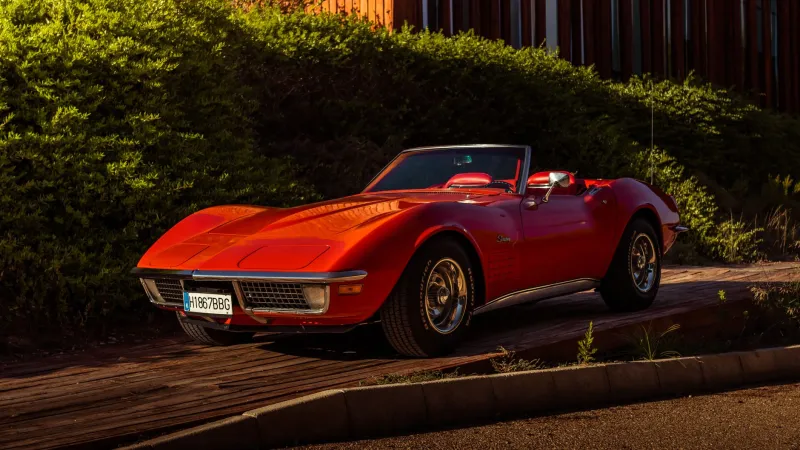
Take the C2 era. Nassau Blue, Sunfire Yellow, and Rally Red aren't just pretty options from a 1960s brochure — they're identity colors. Showing up to a serious Corvette auction with a correctly documented, factory-correct Nassau Blue 1967 coupe puts you in a completely different conversation than the same car painted an off-spec shade that doesn't match the trim tag. Dealers who specialize in early Corvettes will tell you that color matching to the original build sheet can add anywhere from $8,000 to $15,000 in perceived value, depending on the car.
The C3 generation has its own color loyalties. Mille Miglia Red, Corvette Bronze, and even some of the wilder mid-70s shades like Bright Yellow have devoted followings. The C4 market, often dismissed as the "unloved generation," actually shows strong preference for Torch Red and Black — colors that photograph well and carry a no-nonsense performance vibe that buyers in that segment respond to.
The C5 and C6 eras introduced colors like LeMans Blue and Atomic Orange that have developed genuine cult status. And with C7s now entering the collector conversation in a real way, colors like Shark Gray and Watkins Glen Gray Metallic are holding value in ways that softer, less aggressive shades simply aren't.
When a Respray Becomes a Liability
Here's where things get complicated. Respraying a Corvette isn't automatically a death sentence for resale value — but the circumstances matter enormously.
A high-quality respray in the car's original factory color, done to correct legitimate paint damage or prior amateur work, can actually stabilize or even improve a car's position in the market. Collectors aren't naive. They understand that 40-year-old lacquer sometimes needs professional attention. What they don't forgive as easily is a color change.
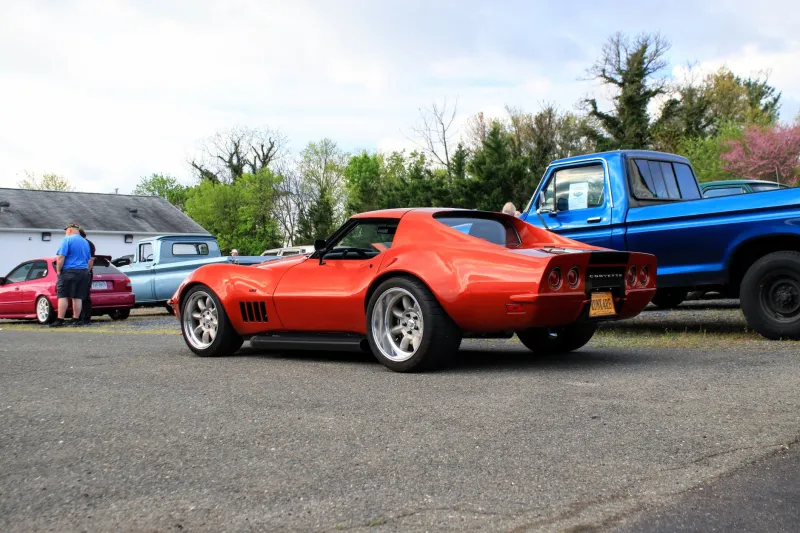
Swap a factory Elkhart Lake Blue C6 Z06 into something like a custom Satin Champagne Pearl, and you've immediately narrowed your buyer pool to people who specifically love that color — which, statistically, is a small group. One Phoenix-based dealer who moves 30 to 40 Corvettes a year put it plainly: "A color change is like a renovation you did for yourself. You might love it. The next buyer has to love it too, and the odds are against you."
The financial hit varies. Mild, tasteful resprays into popular shades (say, a black-to-red swap on a C5) might only cost you a few thousand at resale. More unusual custom colors — especially metallic or specialty finishes that weren't available from the factory — can drop a car's value by $10,000 or more in a competitive market.
The West Coast Factor: Regional Taste Is Real
Here's something that surprises a lot of buyers who come to the California, Nevada, or Arizona market from other parts of the country: regional color preferences are a genuine pricing variable, and they're more pronounced than most people expect.
West Coast collectors tend to skew toward bolder, high-contrast colors. Bright whites, deep blacks, vivid reds, and striking blues consistently outperform more muted options at California and Arizona auction events. Part of this is cultural — Southern California car culture has always celebrated visual impact — and part of it is practical. In the desert Southwest, a car that pops in bright sunlight has a natural advantage in show settings.
Conversely, some colors that perform beautifully in Midwest or Southeast markets fall a little flat out West. Subtle earth tones, champagne metallic shades, and certain greens that read as sophisticated in a Tennessee barn find can feel underwhelming to a Scottsdale buyer who's used to seeing cars against a backdrop of clear blue skies and red rock.
Auction data from Mecum's Glendale events and Barrett-Jackson's Scottsdale sales over the past several years consistently shows that high-saturation colors command premiums over neutral or muted alternatives when all other variables are equal. It's not a massive gap in every case, but across a $50,000 to $80,000 sale price, even a 5% swing is real money.
What Serious Buyers Actually Check
If you're buying a Corvette and color is a concern — either because you want to protect your investment or because you suspect something's off — there are a few things worth doing before you commit.
First, pull the build sheet or broadcast sheet if it's available, and cross-reference the paint code against the trim tag inside the door jamb. On most classic Corvettes, the original color code is stamped or labeled somewhere accessible. Discrepancies between documentation and what you're looking at are red flags worth investigating.
Second, run the car under different lighting conditions if possible. A quality factory respray in the correct color will behave consistently across sunlight, shade, and artificial light. Amateur paint jobs and cheap resprays often reveal themselves through orange peel texture, uneven metallic distribution, or color that shifts strangely in different conditions.
Third, talk to people who know the specific generation you're buying. Corvette forums, marque specialists, and community members here at Corvettes West Co. are genuinely useful resources when you're trying to determine whether a color is desirable, correct, or a potential problem.
The Bottom Line on Buying and Selling by Color
If you're buying a Corvette purely for personal enjoyment and you plan to keep it forever, paint the thing whatever color makes your heart race. Life's short, and a Corvette in your favorite shade is a Corvette worth driving.
But if resale is anywhere in your planning horizon — even ten years out — treat color as a financial decision, not just an aesthetic one. Stick close to factory-correct options for the generation you're working with. Understand your regional market before you commit to a custom respray. And if you're buying a car that's already been painted into an unusual shade, build that reality into your offer price.
The market doesn't lie. It just doesn't always explain itself in terms a casual buyer is prepared to hear. Color is one of those quiet, persistent forces that shapes Corvette values in ways that only become obvious once you've seen enough deals go sideways over a paint code.
Know what you're looking at before you sign anything. Your future self — and your future wallet — will thank you.