Old Soul, New Tricks: How Corvette Owners Are Modernizing Their Rides Without Losing the Magic
Let's get one thing out of the way right up front: there is no single right answer when it comes to modifying a classic Corvette. The purist who insists on factory-correct everything and the builder who drops a supercharged LS3 into a 1969 Stingray are both, in their own way, honoring what makes these cars special. They're just having a different conversation about it.
What's genuinely interesting about the Corvette customization scene heading into 2024 is that those two camps are getting closer together than ever before. The most compelling builds aren't the ones that go all-out in either direction—they're the ones that walk the line with real intention. Modern reliability. Classic soul. And enough attention to detail that you have to look twice to figure out exactly what era you're dealing with.
Here at Corvettes West Co., we spend a lot of time talking to builders, restorers, and everyday enthusiasts about how they're approaching their cars. And the trends we're seeing right now are genuinely exciting.
The LS Swap Conversation Has Grown Up
A few years ago, dropping an LS engine into a classic Corvette was still somewhat controversial in certain collector circles. Today, it's practically mainstream—and the conversation around it has gotten a lot more nuanced.
The LS family of engines (produced by GM from the late 1990s through today) has become the default performance upgrade for classic American iron for good reason. They're compact, incredibly powerful, well-supported by the aftermarket, and—perhaps most importantly for Corvette purists—they're still General Motors iron. There's an argument to be made that putting an LS into a C3 Corvette isn't a betrayal of the bloodline; it's an extension of it.
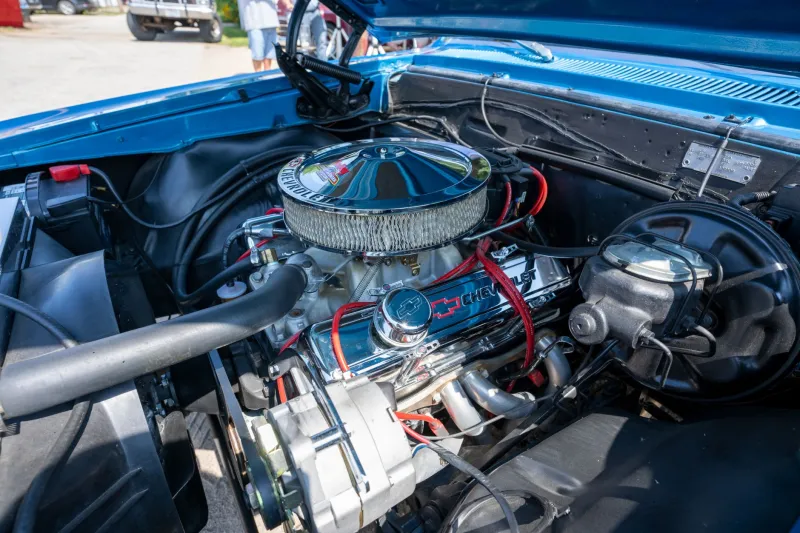
What's changed in 2024 is the level of craft going into these swaps. The builds getting attention right now aren't the rough-and-tumble "just make it run fast" jobs from a decade ago. They're clean, thoughtful installations where the engine bay looks intentional rather than improvised. Builders are matching valve cover finishes to the car's color scheme, running custom headers that tuck neatly out of sight, and sourcing period-correct-looking air cleaners that hide modern throttle bodies underneath.
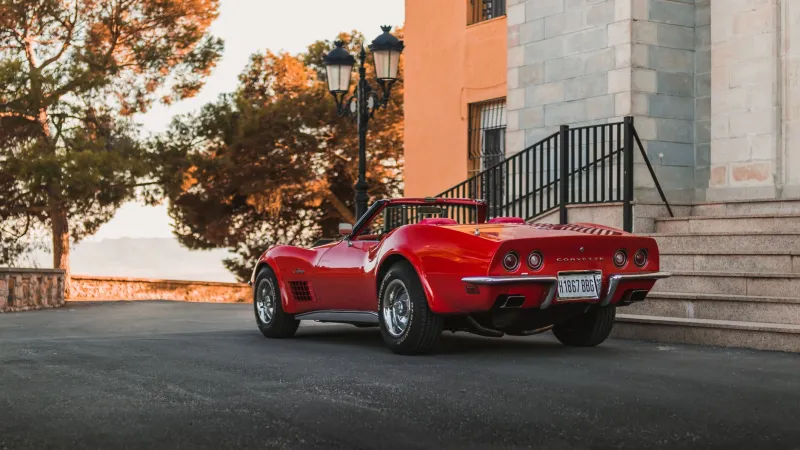
One builder out of Southern California recently completed a 1972 C3 with a 6.2L LS3 that produces 430 horsepower, paired with a modern T56 six-speed manual. From the outside, the car looks essentially stock—correct chrome bumpers, original color (War Bonnet Yellow), factory rally wheels. The only tell is a slightly aggressive exhaust note at startup. That's the sweet spot a lot of builders are chasing right now.
Digital Dashboards Done Right
The interior modernization trend is where opinions get most heated, and honestly, the concern is legitimate. Classic Corvette interiors—especially the C2 and early C3 generations—are iconic. The gauge clusters, the sweeping dash lines, the toggle switches and analog dials all contribute to an experience that feels genuinely connected to the car's character.
So when someone starts talking about swapping in a digital instrument cluster or a modern touchscreen infotainment system, it's fair to ask: at what cost?
The answer, in 2024, is that it depends entirely on execution. Companies like Dakota Digital and Classic Instruments have been making retrofit gauge systems for years that mimic the look of original analog clusters while providing modern functionality—programmable warnings, GPS speedometers, and compatibility with modern engine management systems. Done well, these setups are nearly indistinguishable from factory at a glance.
The builds that go wrong are the ones that install a modern tablet-style touchscreen in a dash that was never designed to accommodate one, or that replace every analog element with digital displays that clash visually with the rest of the interior. The builds that work treat technology as something that should be felt rather than seen—hidden USB charging ports, Bluetooth audio running through period-correct speakers, air conditioning systems that cool like a modern car without any visible modern hardware.
Suspension and Brakes: The Upgrades That Make the Most Sense
If there's one area where the community has reached something close to consensus, it's this: modernizing the suspension and braking systems of a classic Corvette is almost always worth doing, and it doesn't compromise the character of the car at all.
Classic Corvette suspension geometry—particularly on C2 and C3 cars—was genuinely advanced for its era, but it's been 50-plus years. Aftermarket companies like Detroit Speed, Hotchkis, and Global West offer complete suspension overhaul packages that dramatically improve handling, reduce body roll, and make these cars genuinely enjoyable to drive on modern roads without altering the exterior appearance in any way.
Similarly, upgrading from four-wheel drum brakes to a disc brake setup on early cars is a safety improvement that virtually every builder recommends without reservation. You can do it with hardware that fits entirely within the original wheel envelope, using factory-style wheels and hubcaps. Nobody looking at the car from the outside will know. You will know, though, the first time you need to stop hard.
These kinds of mods—the ones that make the car safer and more driveable without changing what it looks like or how it feels to sit in—consistently offer the best return on investment, both in terms of enjoyment and resale value.
The Community Is Redefining Authenticity
Maybe the most interesting shift happening in the Corvette world right now is a broader cultural one. The definition of "authentic" is quietly expanding.
For decades, authenticity in the collector car world meant one thing: matching numbers, factory-correct everything, documented provenance. And that standard still matters enormously for cars being preserved as historical artifacts—your numbers-matching 1967 L88 isn't getting touched, and it shouldn't be.
But for the vast majority of classic Corvettes out there—the driver-quality C3s, the project-car C4s, the honest working examples that were never going to be museum pieces—authenticity is increasingly being defined by something else. It's about preserving the spirit of the car: the proportions, the stance, the visceral driving experience, the connection to American automotive history.
A well-built restomod that drives like a dream, looks period-correct from twenty feet, and puts a huge smile on your face every single time you fire it up? That's authentic in the way that actually matters to most people.
The Corvette community—and we see this every day in our marketplace and forums at Corvettes West Co.—is getting more comfortable celebrating both approaches without needing one to invalidate the other. That's a healthy evolution, and it's making for some genuinely spectacular cars.
What to Prioritize If You're Planning a Build
If you're standing at the beginning of a Corvette build project and trying to figure out where to put your money, here's the honest breakdown based on what we're seeing in 2024:
Highest ROI: Suspension and brake upgrades, quality paint and bodywork, interior refreshes that preserve original character.
Strong ROI with right execution: LS or LT engine swaps (done cleanly, documented well), modern cooling systems, overdrive transmission conversions.
Proceed with caution: Full interior modernization, external body modifications, wheel and tire packages that deviate significantly from period-correct sizing.
Know your market: A heavily modified car will always have a narrower buyer pool than a well-preserved or tastefully restored one. Build what makes you happy—but go in with eyes open about resale.
The best Corvette builds in 2024 aren't about choosing between the past and the present. They're about understanding both well enough to blend them into something that feels completely, unmistakably right.