How the West Was Won: California, Arizona, and the Rise of the Western Corvette Collector
If you've been watching Corvette auction results over the past few years and wondering why certain cars seem to command stronger bids from Western buyers, you're not imagining things. There's a genuine shift happening in the classic Corvette marketplace, and it's being driven — quite literally — by enthusiasts and investors who call places like Scottsdale, San Diego, Sacramento, and Salt Lake City home.
Western collectors are no longer just participants in the national Corvette scene. Increasingly, they're setting the pace.
The Climate Advantage Nobody Talks About Enough
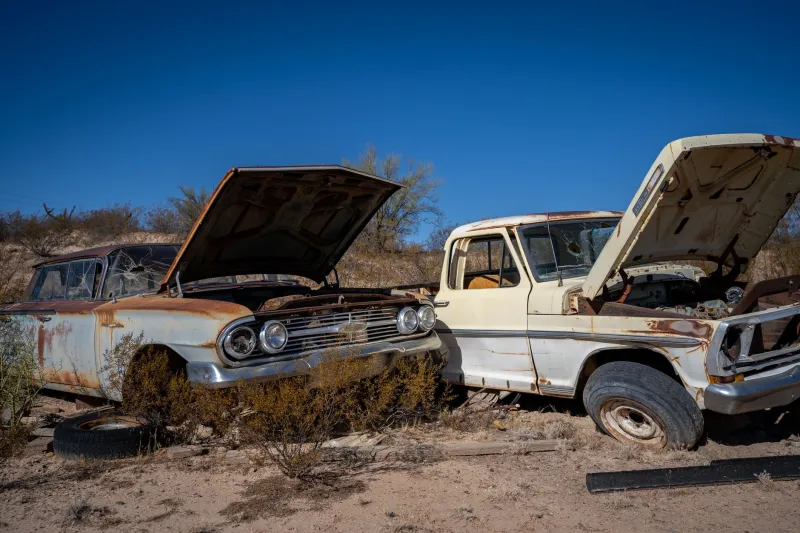
Let's start with the obvious but underappreciated reality: the American West is an extraordinary place to store, preserve, and enjoy a classic Corvette. While collectors in the Midwest and Northeast battle road salt, humidity, and brutal freeze-thaw cycles, a Corvette sitting in a Phoenix garage or a Reno storage unit is living its best life year-round.
Fiberglass bodies — the hallmark of every Corvette ever made — actually benefit enormously from dry, stable climates. There's no moisture creeping into body panels, no rust forming beneath floor pans, no weather stripping crumbling from relentless wet winters. A C2 Stingray that spent its life in Southern California is a fundamentally different car than one that survived twenty Ohio winters, even if both have the same mileage on the odometer.
Savvy buyers have figured this out. When Western collectors shop for cars, they're often pulling from a local inventory that was naturally preserved by the environment. And when they sell, buyers across the country are willing to pay a premium for that provenance.
Which Model Years Are Western Collectors Chasing?
Talk to dealers and private sellers across the Southwest and you'll notice some clear patterns in what Western enthusiasts are targeting.
C2 Sting Rays (1963–1967) remain perennial favorites, particularly split-window coupes and convertibles with documented California or Arizona history. The combination of iconic styling and regional preservation stories makes these cars compelling to both drivers and investors.
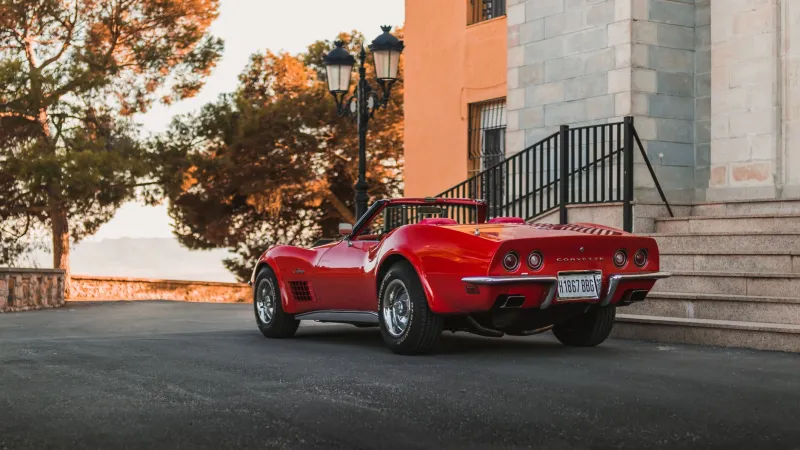
Mid-Year C3s (1969–1972) are also getting serious attention. These cars hit a sweet spot — they're affordable enough for first-time collectors, mechanically approachable, and their chrome bumper styling has aged beautifully. Western buyers have been quietly accumulating these while the broader market still debates their collectibility.
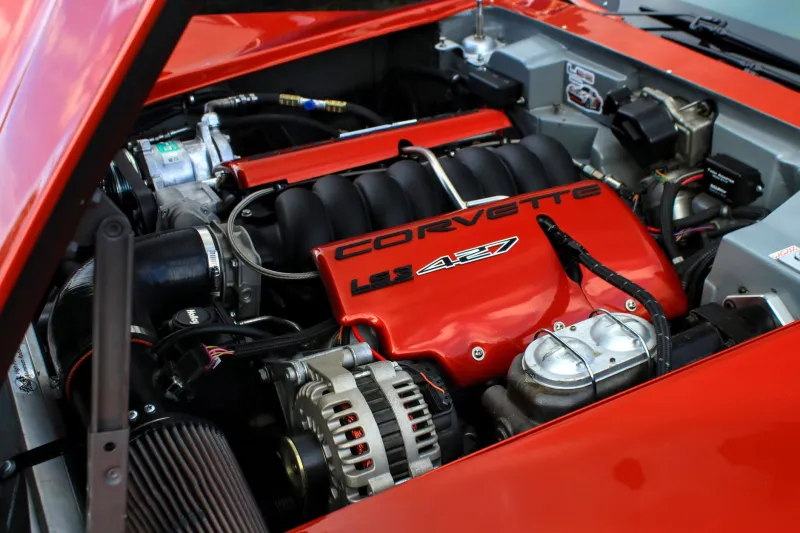
C5 Z06s represent the performance-first crowd, a demographic that's particularly strong in California and Colorado where weekend canyon runs and track days are practically a lifestyle. These buyers aren't just collecting — they're driving, and the Z06's aluminum frame and LS-based power make it an ideal machine for that purpose.
Car Culture as Investment Strategy
What makes Western collectors particularly interesting is that many of them approach Corvette ownership as a blend of passion and portfolio strategy. The car culture in states like California has always had a financial dimension — think of the Barrett-Jackson auction phenomenon that grew out of Scottsdale, or the way Pebble Beach Concours d'Elegance has shaped national valuations for decades.
Western enthusiasts grew up around that culture. They understand that condition, documentation, and regional story all contribute to a car's long-term value. A numbers-matching 1970 LT-1 coupe with a clean California title and a documented single-family ownership history isn't just a cool car — it's an asset with a compelling narrative.
That mindset is increasingly influencing how collectors everywhere think about Corvette acquisitions. Buyers in Texas, Florida, and the Mid-Atlantic are starting to factor in Western provenance the same way wine collectors consider vineyard terroir.
The Ripple Effect on National Pricing
Here's where things get genuinely interesting for anyone buying or selling a Corvette right now. As Western collectors build stronger networks, attend more regional shows, and leverage online communities to source cars nationally, their preferences are effectively setting price floors on certain models.
When a cluster of well-capitalized Arizona collectors decides that chrome-bumper C3s are undervalued, their buying activity starts to move the needle on what those cars fetch at auctions in Tennessee and Michigan. The market is national, but regional enthusiasm clusters have an outsized influence on where prices settle.
For sellers, this means understanding your car's Western appeal is increasingly important. A clean, dry-climate Corvette with verifiable history should be marketed to Western buyers as much as local ones. For buyers in other regions, it means recognizing that waiting on Western-influenced models to come back down in price may be a losing strategy.
What This Means for You
Whether you're shopping for your first classic Corvette or adding to an existing collection, the Western market deserves your attention. Here's the practical takeaway:
- Prioritize Western-sourced cars when shopping for pre-1980 models. The preservation premium is real and defensible.
- Watch regional auction activity in Arizona and California as a leading indicator of national price trends.
- Connect with Western collector communities — many of the best deals still happen through personal networks before cars ever hit public listings.
- Consider climate when evaluating any classic Corvette, regardless of where you're buying. A car's regional history is part of its value story.
The West didn't just inherit a great climate for keeping classic cars intact. It built a car culture sophisticated enough to understand exactly what that's worth. The rest of the country is catching on — and the smart money is paying attention.