Show Field Manners: The Unofficial Rulebook Every Corvette Enthusiast Should Know
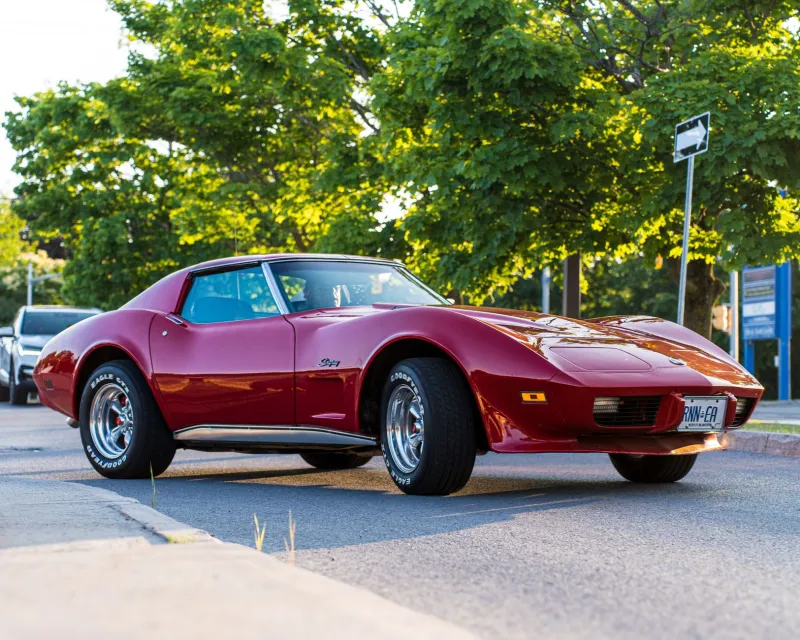
Walk into any Corvette show in Scottsdale, Pomona, or Monterey on a Saturday morning and you'll notice something right away. There's a rhythm to the whole thing — the way people move between cars, the tone of conversations near the rope lines, the knowing nods exchanged between owners who've been doing this for decades. Nobody teaches you that rhythm. You either pick it up or you don't.
For newcomers, that unspoken social architecture can feel intimidating. For long-timers, it's just the culture. But it's worth putting some of it into words — because the Corvette community is genuinely one of the most welcoming groups in American car culture, and a little awareness goes a long way toward keeping it that way.
Hands Off Unless Invited — Seriously
This one sits at the top of the list for a reason. No matter how gorgeous a C2 looks sitting in the morning light, no matter how badly you want to feel the chrome on that split-window coupe, you do not touch another person's car without permission. Period.
It sounds obvious, but it happens constantly — a fingerprint on a freshly buffed hood, a leaned elbow on a fender. Owners notice. Some will say something politely. Others just quietly remember your face. Either way, you've made an impression you didn't want to make.
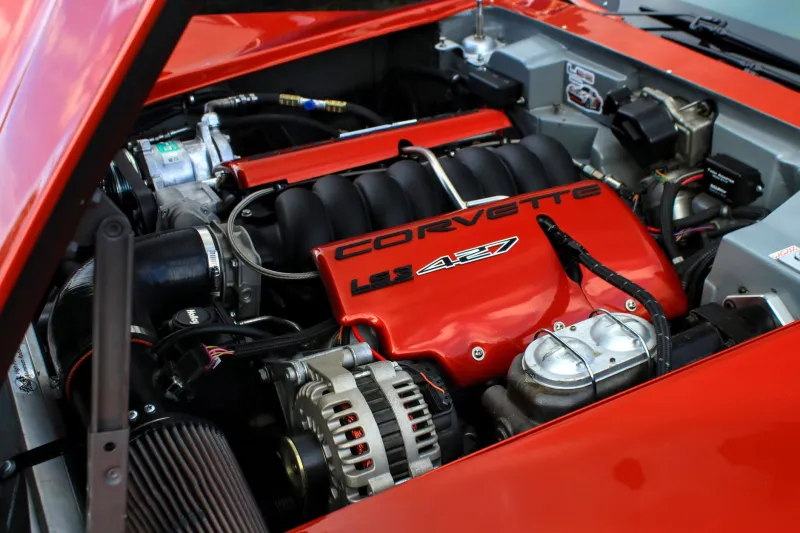
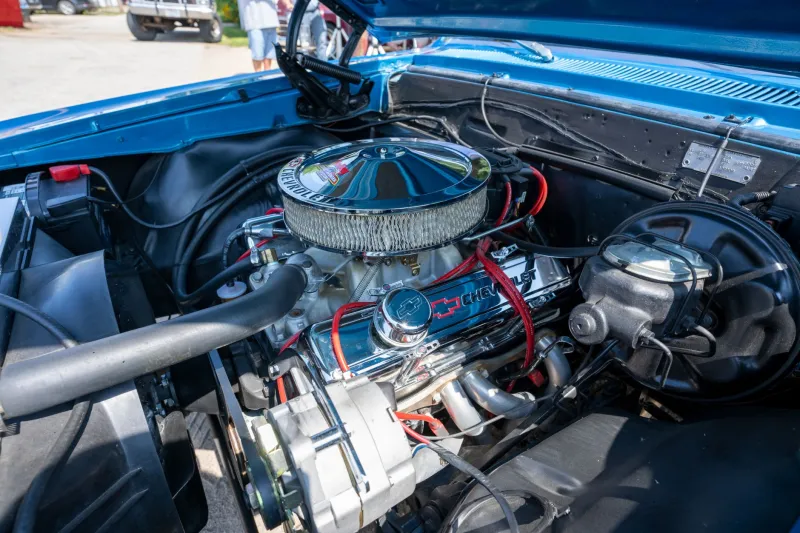
If you genuinely want a closer look at something specific — the engine bay, the interior stitching, a custom detail on the dash — just ask. Most owners are thrilled to pop the hood or open a door. They built or restored these cars to be admired. The ask itself is a form of respect.
Questions That Land Well (and Ones That Don't)
Good conversation is the heartbeat of any Corvette gathering. People love talking about their builds, their finds, their restoration journeys. But there's an art to asking the right questions.
Open-ended prompts tend to work best. "How long have you had her?" or "What was the biggest challenge in the restoration?" invites storytelling. Owners light up when given the chance to walk you through the process.
What tends to land flat — or worse, cause friction — is leading with dollar signs. Asking what someone paid for a car, what they've spent on it, or what they'd sell it for is considered poor form unless the owner brings it up first. The show field isn't a negotiating table. Save the valuation talk for the auction floor or a private conversation where it's clearly welcome.
Also worth avoiding: unsolicited critiques. If you think the paint color is wrong for the model year or the wheels aren't period-correct, keep it to yourself unless you're specifically asked for an opinion. There's a difference between a knowledgeable conversation and a lecture nobody asked for.
The Generational Divide — and How to Bridge It
One of the more interesting tensions you'll encounter at any large show is the quiet friction between different generations of Corvette culture. Old-guard collectors who've been showing C1s and C2s since the '80s sometimes view the newer crowd — C7 track-build guys, C8 owners fresh off the dealership lot — with a degree of skepticism. And it occasionally runs the other direction too.
The reality is that both camps have something to offer. The veterans carry institutional knowledge that can't be Googled. The newer enthusiasts bring energy, fresh perspectives, and often serious technical chops. The shows that thrive are the ones where those two worlds actually talk to each other.
If you're newer to the community, showing genuine curiosity about older cars goes a long way. Ask about the history of a particular model year. Express interest in what the scene looked like before the internet made everything accessible. People who've been doing this for forty years have stories worth hearing.
If you're the veteran, try not to gatekeep. Someone showing up in a 2022 C8 with a track package isn't a threat to the culture — they're the next generation of it.
Competitive Tension: Keep It Clean
Corvette shows are competitive. Trophies matter. Class judging gets intense. And occasionally, that competitive energy curdles into something less fun — whisper campaigns about judging fairness, pointed comments about another car's authenticity, social media sniping after results are posted.
The community's reputation takes a hit every time that stuff surfaces publicly. The collectors who've been around longest tend to be the most philosophical about losing — because they've won enough to know that trophies aren't the whole point. The drive out, the conversations, the relationships built over years of showing up: that's the actual payoff.
If you don't agree with a judging decision, you can absolutely raise it through the proper channels. What you shouldn't do is make a scene on the show field or drag it onto social media in a way that embarrasses the event or the people involved.
At Auctions: Read the Room
Western auction events — Barrett-Jackson in Scottsdale, Mecum stops in Anaheim and Portland — have their own version of show-field etiquette. The cars on the block are merchandise, yes, but they also often represent years of someone's life. The seller might be in the room. Keep that in mind.
If you're a bidder, don't be that person loudly talking down a car's value while standing next to someone who might be the owner. If you're a spectator, don't treat the paddock like a petting zoo. Same rules apply: look freely, ask before touching, and be thoughtful about what you say and where you say it.
The Thing That Makes It All Work
At its core, Corvette culture runs on mutual respect for the cars and for each other. That's not a cliché — it's the actual operating system beneath all the chrome and fiberglass.
The shows, the meets, the club drives through the California coast or the Arizona high country — none of it would hold together without people choosing to treat each other decently. The unwritten rules exist because the community figured out, over decades, what keeps the whole thing worth showing up for.
Learn the rhythm. Respect the cars. Ask good questions. And when in doubt, lead with enthusiasm rather than expertise. That'll get you further than almost anything else.