Stock or Modified: The Question Every Corvette Owner Eventually Has to Answer

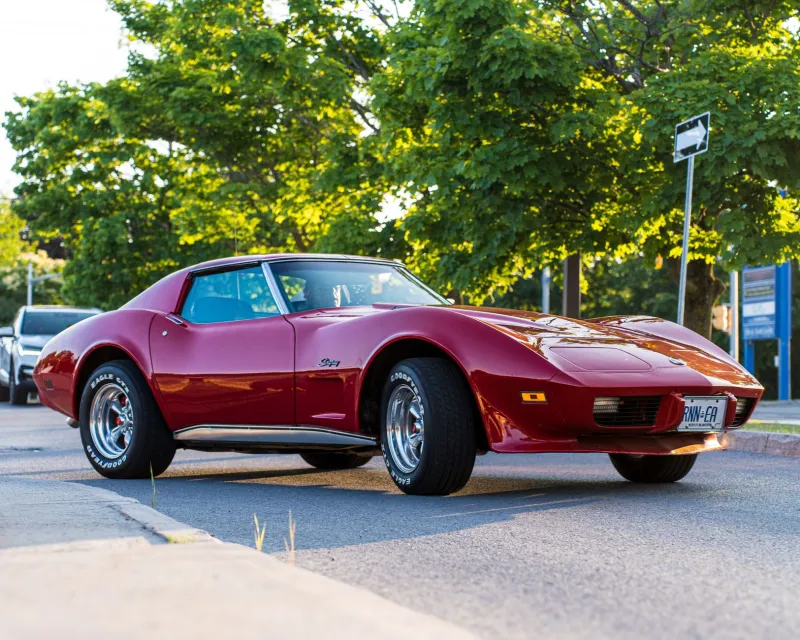
Photo by Photo by Demian Tejeda-Benitez on Unsplash on Unsplash
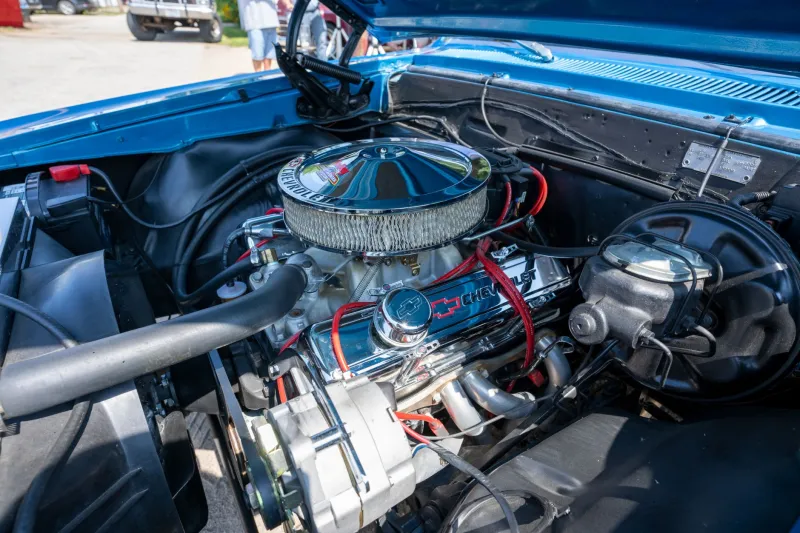
It usually starts innocently enough. Maybe you're scrolling through a parts forum at midnight, or you overhear a conversation at a car show about what a different cam profile does to a big-block's personality. And then the thought creeps in: what if I just did a little something to mine?
For Corvette owners, the stock-versus-modified debate isn't just a mechanical question — it's almost a philosophical one. Your car is a piece of American automotive history. It's also your car. And those two facts don't always point in the same direction.
We talked to collectors, restoration specialists, and longtime market watchers to get a clearer picture of what's really at stake when you pick up a wrench — or decide to put it back down.
What "Stock" Actually Means (It's Complicated)
Before you can decide whether to modify, it helps to be honest about what you're working with. True, numbers-matching Corvettes — the ones with original engines, transmissions, and even factory-correct date-coded components — occupy their own tier in the market. A 1969 L88 coupe that's never been touched is a different animal entirely from a '69 that's been sympathetically restored using period-correct parts.
Both can be beautiful. Both have real value. But they're not the same thing, and buyers increasingly know the difference.
"The market has gotten more educated," says Rick Alvarez, a collector and occasional dealer based in Scottsdale, Arizona who's been buying and selling C1 through C4 Corvettes for over two decades. "Ten years ago, you could pass off a really clean restored car as numbers-matching and not too many people would push back. Now buyers are bringing documentation checklists to transactions. They want to see the tank sticker, the trim tag, all of it."
That shift matters because it changes the calculus on modifications. If your Corvette is already a documented, numbers-matching example, the financial argument for keeping it stock is strong — and getting stronger.
Where Modifications Hurt (and How Much)
Let's talk dollars. Across most Corvette generations, modifications that deviate from factory spec tend to suppress resale value in the collector market — sometimes dramatically.
C1s and C2s are the clearest example. A mid-1960s Sting Ray with its original drivetrain intact commands a significant premium over a comparable car that's been re-engined, even if the replacement motor is period-correct and professionally installed. Hagerty's valuation data consistently shows that matching-numbers examples in the same condition grade can fetch 20 to 40 percent more than non-matching counterparts, depending on the specific model year and engine option.
C3s are a little more forgiving, partly because so many of them were modified during their working lives and the market has adjusted expectations accordingly. A clean, well-sorted C3 with a tasteful performance build can actually sell quite well to a certain buyer — just not necessarily to the concours crowd.
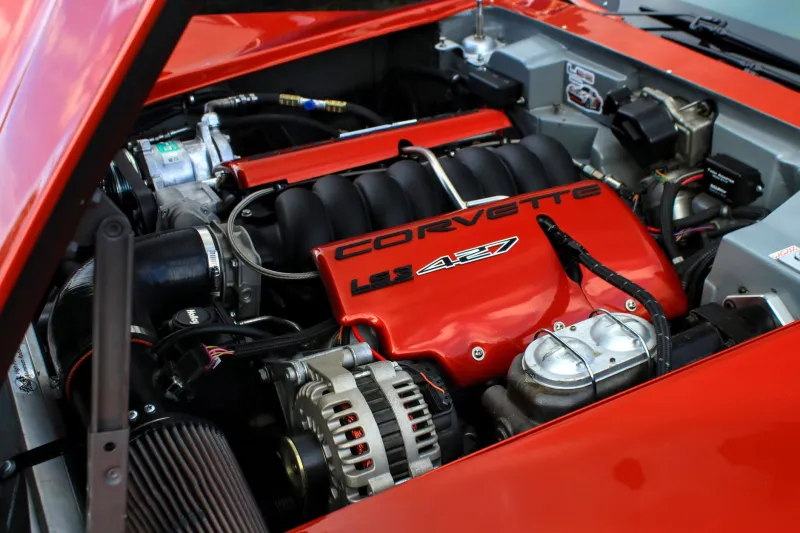
C4s are interesting. Long undervalued and only recently attracting serious collector attention, they exist in a gray zone where performance modifications sometimes add perceived value rather than subtract it. A well-documented ZR-1 that's been carefully upgraded by a knowledgeable owner can be a compelling package. A base C4 that's been hacked together with mismatched parts from three different model years? That's a different story.
"Generation matters a lot," says Linda Tran, who runs a Corvette-focused restoration shop outside of Sacramento. "For the early cars, stock is almost always the right call financially. But when you get into the C4 and C5 era, especially with performance builds, the right modifications done right can actually make the car more desirable to a specific buyer pool."
The Emotional Side Nobody Talks About Honestly
Here's the thing the financial analysis doesn't capture: you have to live with this car.
If your Corvette sits in a climate-controlled garage and comes out three times a year for shows, keeping it stock makes obvious sense. You're preserving an asset, and the discipline of leaving it alone is part of the experience.
But if you're actually driving the thing — canyon runs on weekends, road trips, the occasional track day — the calculus shifts. A stock 1975 base engine is historically accurate and financially sensible. It's also not very fast by modern standards, and that's a real consideration if you're spending time behind the wheel.
Mark Delgado, a C5 Z06 owner from outside of Denver, put it bluntly: "I bought my car to drive it hard. I've got headers, a tune, and upgraded brakes. It's not going to be a collector piece — it's a machine I use. And I'm completely at peace with that."
That kind of clarity is actually rare and valuable. A lot of owners get stuck in between — modifying a car they secretly wish they'd kept stock, or white-knuckling it through ownership of a numbers-matching car they're afraid to actually enjoy. Neither situation is great.
A Framework for Making the Call
If you're wrestling with this decision, here are the questions worth sitting with before you do anything irreversible:
1. What generation and documentation level is your car? Numbers-matching C1, C2, or early C3? The financial argument for staying stock is compelling. Undocumented C3 or later? You have more flexibility.
2. What's your actual use case? Shows and storage, or real driving? Be honest. Your answer should drive your decision more than any market data.
3. Are you modifying reversibly? If you pull the original motor and store it, that's a very different situation than selling it off. Keeping the factory components means you can always go back — and buyers know it.
4. Who is your eventual buyer? If you plan to sell someday, think about who will want this car. Concours collectors, performance enthusiasts, and daily drivers are three completely different audiences with different priorities.
5. Can you live with the decision either way? This is the one most people skip. Modification regret is real. So is the frustration of owning a car you're afraid to use. Know yourself.
The Middle Path
Many experienced collectors land on a practical compromise: keep the original components, make the modifications, and document everything meticulously. Pull the matching motor, store it properly, install the performance build you actually want, and keep receipts for all of it. When it comes time to sell, a buyer who wants the original car can have it — and you'll have spent years actually enjoying what you built.
It's more work and more cost upfront. But it's also the approach that tends to generate the least regret.
At the end of the day, your Corvette is part of a larger story — one that stretches back to 1953 and runs through every generation of American sports car culture since. How you choose to write your chapter in that story is genuinely up to you. Just make sure you're making the choice consciously, with your eyes open to what you're trading away and what you're gaining.
Because whatever you decide, you're going to have to answer for it at the next show.